Pixels vs. Paper: Does It Actually Matter Where You Scratch?
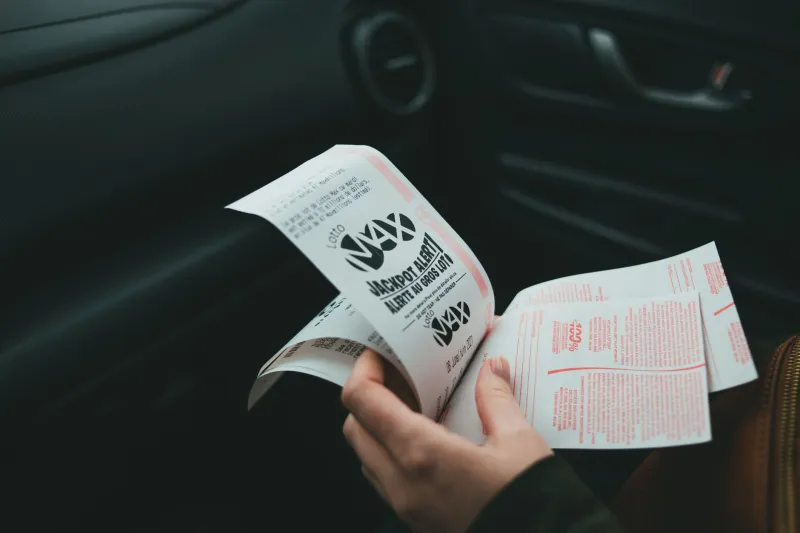
There's a guy at a 7-Eleven in Akron who always buys his scratch tickets from the third rack, second row, left side. He's been doing it for four years. He's convinced that particular slot has better odds than anything he could pull up on his phone.
He's not alone. Ask around in any scratch game community and you'll find players with deeply held beliefs about where they play — physical ticket versus digital screen — and why one format supposedly beats the other. But what does the science actually say? And more importantly, does the platform you choose change anything real about your experience?
The Tactile Myth (And Why It's So Persistent)
Let's start with the obvious difference: scratching a physical ticket feels like something. That coin against the silver coating, the slow reveal, the tiny flecks of foil catching the light — it's a multisensory event. Neuroscientists call this kind of physical engagement "embodied cognition," and it's a real phenomenon. When your hands are physically involved in an activity, your brain assigns it more weight. More presence. More meaning.
So yes, scratching a paper ticket in your hands does create a slightly different neurological experience than tapping a screen. The question is whether that difference translates into better outcomes, better entertainment, or better decisions. Spoiler: it doesn't change your odds one bit. But it does change how you feel about the result.
Players who scratch physical tickets tend to report feeling more personally invested in the outcome — win or lose. That investment can feel like evidence of control, which feeds the superstition machine. "I scratched it slowly from left to right, and I won" becomes a rule. A ritual. A system.
Online players, by contrast, often describe the experience as cleaner, faster, and less emotionally loaded. That's not necessarily a bad thing.
What Online Scratch Games Actually Do Differently
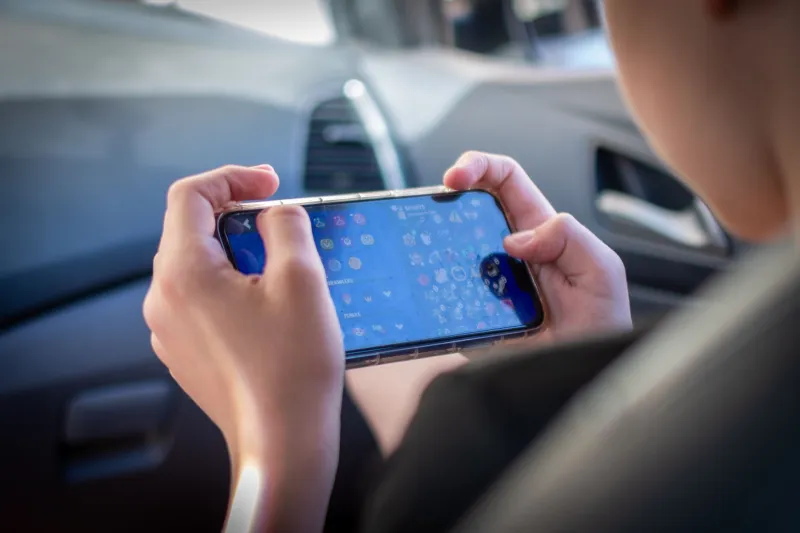
Digital scratch platforms like ScratchGames are built around the same core mechanic — reveal hidden symbols, match to win — but the delivery is fundamentally different. Animations replace foil. Tap gestures replace coins. And the entire experience is optimized for a screen that fits in your pocket.
Here's where it gets interesting from a psychology standpoint: online platforms often add micro-animations, sound effects, and visual flourishes that physical tickets simply can't offer. That moment when three matching symbols pop up and the screen lights up? That's not accidental. It's engineered to trigger the same dopamine response that a physical win does — and in some cases, it does it more efficiently.
Researchers studying digital gambling and instant-win mechanics have noted that animated reveals can actually amplify the near-miss effect. When a digital scratch card shows two matching symbols and then slowly reveals a third that doesn't match, the drawn-out animation makes the almost-win feel more significant than a paper ticket equivalent. Your brain registers the suspense, processes the near-miss, and files it away as "close" — which can motivate continued play.
Physical tickets, ironically, might be slightly less manipulative in this regard. The reveal is in your hands. You control the pace. There's no algorithm timing the animation for maximum effect.
The 'Lucky Format' Fallacy
Ask players which format is luckier and you'll get passionate, contradictory answers. In a casual survey of scratch game enthusiasts, about 40% said they believed physical tickets gave them better odds or better luck. Around 25% said digital felt luckier to them. The rest said it didn't matter or that they hadn't thought about it.
None of them are right — at least not in any measurable way. Licensed digital scratch games operate on certified random number generators (RNGs) that are regularly audited. The odds printed on a physical lottery ticket are set by the issuing organization before the tickets even go to print. Neither format has a hidden advantage baked in.
What is different is the context of play. Physical scratch tickets are often impulse purchases — you're already at the register, you grab one with your coffee. Online play tends to be more intentional. You sit down, you open the app, you make a deliberate choice to play. That context shapes your expectations, your mood, and ultimately your memory of the experience.
Players who win on a physical ticket in a store often remember the cashier's reaction, the smell of the place, what they were wearing. It becomes a story. Online wins are often celebrated alone, with no external anchor to make the memory sticky. That might be why in-store players are more likely to develop superstitious associations — they have more sensory details to attach meaning to.
When Superstition Becomes a Strategy Problem
Here's where player wellness enters the conversation. Superstitious behavior around scratch games is generally harmless — until it isn't. Believing that a specific store, a specific rack, or a specific time of day improves your odds can lead to chasing behavior. Driving across town for your "lucky" ticket. Spending more than you planned because the conditions felt right.
Online play, with its built-in convenience and often lower per-game cost, can actually be a more budget-friendly format for players who tend toward superstitious thinking. There's no "lucky store" to drive to. No ritual setup required. You play, you see the result, you move on.
That said, the speed and accessibility of digital platforms carry their own risks. It's easier to play ten rounds in five minutes online than it is with physical tickets. The friction of driving to a store, standing in line, and making a purchase is a natural brake on spending. Remove that friction and you need to supply your own.
So, Which Should You Choose?
Honestly? The format that fits your life and your budget. If you love the tactile experience of a physical scratch ticket, the social element of buying at a local spot, and the slower pace of a one-at-a-time reveal, that's a completely valid way to play. If you prefer the convenience, variety, and instant accessibility of digital scratch games, that's equally legitimate.
What neither format will ever give you is an edge based on superstition. The third rack at the 7-Eleven in Akron doesn't know you're there. Your phone screen doesn't care how you hold it. The numbers are what they are.
But the experience? That's entirely yours to shape — pixels, paper, or anything in between.