Scratch Tournaments Are Here — And Americans Are Showing Up to Compete

When Casual Goes Competitive
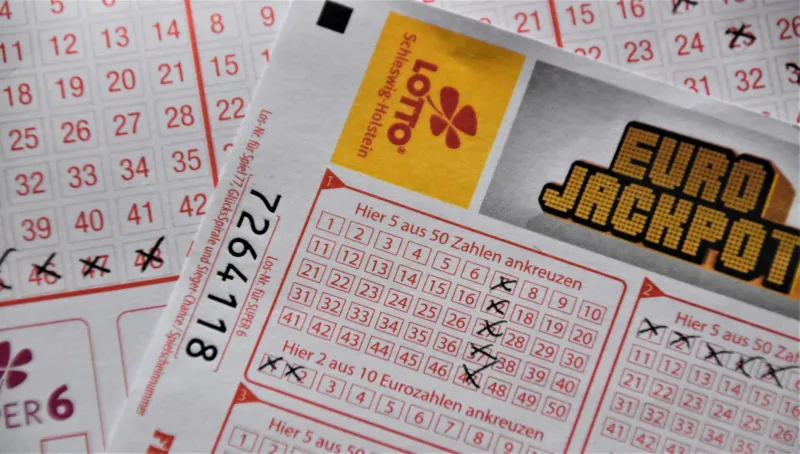
For most of its history, scratch gaming was a fundamentally private experience. You buy a ticket, you scratch, you find out, you move on. The joy was immediate and personal. Nobody needed to know whether you won or lost — that was kind of the point.
That's changing.
Across the United States, a new format is emerging inside the instant-win world: organized scratch gaming tournaments, leaderboard challenges, and time-limited competitive events where players aren't just chasing prizes — they're chasing rankings. And each other.
It's a genuine cultural shift, and it's happening faster than most people in the casual gaming space anticipated.
What a Scratch Tournament Actually Looks Like
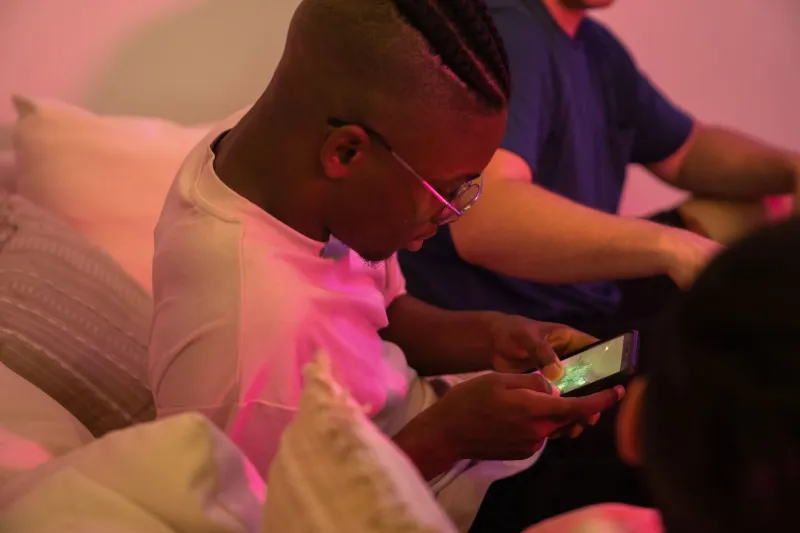
If you're picturing a fluorescent-lit convention center with players hunched over cards in silence, think again. Modern scratch gaming competitions are almost entirely digital, and they're designed around the same frictionless, mobile-first experience that made instant-win games popular in the first place.
The basic structure varies by platform, but most competitive scratch events share a few common elements:
Leaderboard scoring: Players earn points based on wins, win frequency, game variety, or some combination of metrics. Rankings update in real time, so you can see exactly where you stand relative to other competitors.
Time-limited windows: Tournaments typically run for a set period — a weekend, a week, sometimes just 24 hours. The compressed timeframe creates urgency and keeps engagement high throughout the event.
Tiered prize pools: Top finishers on the leaderboard earn prizes beyond the standard game payouts — bonus credits, exclusive game access, or cash rewards funded by the competition structure.
Entry tiers: Some tournaments are open to all players, while others require a minimum activity level or buy-in, segmenting the competitive field and giving serious players a more level playing ground.
The result is an experience that layers competitive gaming psychology on top of the existing instant-win format — and it turns out those two things fit together remarkably well.
Why the Competitive Layer Works So Well
Scratch games already have a strong psychological pull: the suspense of the reveal, the variable reward, the near-instant feedback loop. Tournaments amplify all of that by adding a social dimension that solo play simply can't replicate.
Sports psychologists who study competitive gaming note that leaderboard mechanics tap into a completely different motivational system than individual play. When you're competing against other people — even anonymously — your brain treats the experience as a social contest, not just a game of chance. That activates status-seeking drives that aren't in play when you're scratching alone.
For a lot of American players, this scratches (pun intended) an itch that casual gaming never quite reached. There's something uniquely satisfying about climbing a leaderboard — about being able to point to a ranking and say "I earned that." Even when the underlying game is largely chance-based, the competitive structure rewards consistency, engagement, and strategic game selection in ways that feel genuinely skill-adjacent.
The Communities Forming Around Competition
Perhaps the most unexpected development in the scratch tournament space is how quickly communities have formed around these events.
Discord servers dedicated to scratch gaming competitions have popped up across the country, with players sharing tournament tips, celebrating leaderboard climbs, and trash-talking in the most good-natured way imaginable. Reddit threads track weekly competition results. Social media accounts post screenshots of top-10 finishes the same way sports fans post game highlights.
This mirrors a pattern that's played out in other casual gaming categories — most notably in mobile gaming, where titles like Words With Friends and various trivia apps built massive social ecosystems around what were originally simple solo games. Scratch gaming appears to be following the same trajectory, just a few years behind.
What's striking about the scratch tournament community specifically is the demographic range. Unlike traditional esports, which skews heavily young and male, scratch gaming competitions attract players across age groups, genders, and geographic regions. A 58-year-old retiree in rural Tennessee can be climbing the same leaderboard as a 24-year-old in Chicago — and in the scratch tournament world, neither has an inherent structural advantage.
The Platforms Driving the Shift
None of this is happening by accident. Gaming platforms have recognized that competitive mechanics extend session lengths, increase return visit rates, and build the kind of platform loyalty that passive play never could.
The business logic is straightforward: a player who's invested in a tournament ranking has a reason to come back tomorrow. A player who just scratched a quick ticket might not think about the platform again for a week.
Platforms are investing accordingly — building out tournament infrastructure, hiring community managers, and in some cases partnering with brands to fund prize pools that make competitions feel like genuine events rather than minor promotions. Some have introduced seasonal tournament calendars, giving competitive players something to anticipate and plan around throughout the year.
What This Means for Scratch Gaming's Future
The rise of competitive scratch gaming suggests something interesting about where casual entertainment is heading more broadly. Players increasingly want experiences that are easy to enter but deep enough to reward ongoing engagement. They want community without complexity. They want competition that doesn't require months of skill development to feel competitive.
Scratch tournaments deliver all of that. The barrier to entry is low — if you can scratch a game, you can enter a tournament. But the ceiling for engagement is surprisingly high, with dedicated players developing genuine strategies around game selection, session timing, and bankroll management within competitive windows.
Is this the future of scratch gaming? It's looking more and more like a major part of it. The solo scratch experience isn't going anywhere — but for a growing number of American players, the real game has started to happen on the leaderboard.