You Just Won Big. Now What? A Calm, Step-by-Step Guide for Scratch Winners
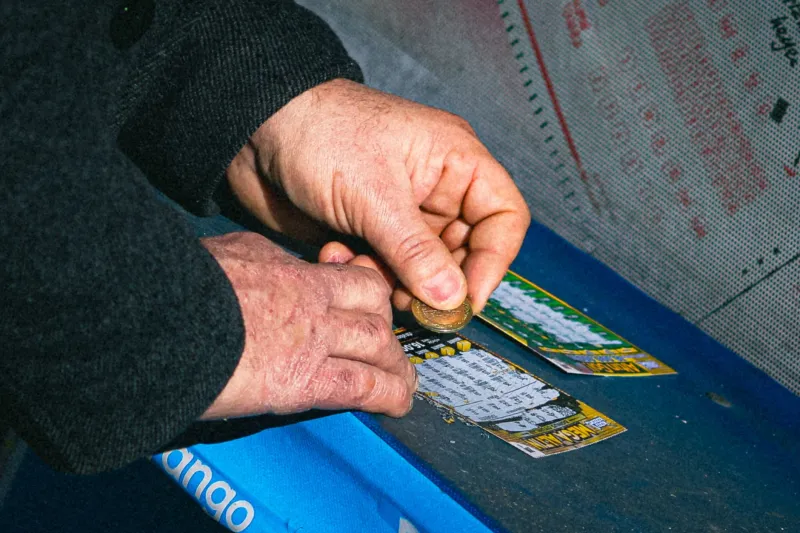
Most players have Googled "what happens if I win the lottery" at some point — usually out of idle curiosity. But when it actually happens, that late-night research becomes urgent, and the information gets hazy fast. So let's settle it now, while nobody's hands are shaking. Here's what to do after a big scratch win, step by step, with the myths separated from the facts.
Step 1: Sign Your Ticket Immediately
The moment you confirm a significant win, sign the back of your ticket. In most states, a lottery ticket is a bearer instrument — whoever holds it can claim it. A signature doesn't make you bulletproof, but it establishes a strong claim and prevents the nightmare scenario of a lost ticket being cashed by someone else.
Then photograph it. Front, back, and the barcode. Store the physical ticket somewhere flat and safe — not your wallet, where it can get bent or run through the wash.
Step 2: Verify Before You Celebrate
Check the ticket against the official game rules and, ideally, have it scanned at a retailer or verified through your state lottery's app or website. Retailer scanners are reliable, but for a large prize, don't rely on a single source. State lottery offices can confirm wins over the phone.
One common myth worth busting: a retailer cannot "steal" your winning ticket by telling you it's a loser — scanners log every validation, and tampering is a crime that gets caught. Still, if a retailer claims your big winner is a dud, take it elsewhere. Trust, but verify.
Step 3: Know the Tax Thresholds (The Real Ones)
Here's where confusion runs wild, so let's get precise for US players:
- Federal withholding: Lottery winnings of $5,000 or more trigger automatic 24% federal tax withholding. That's not your final tax bill — it's a prepayment. Your actual rate depends on your total income for the year, and big wins can push you into a higher bracket.
- State taxes: These vary enormously. Some states (like Florida and Texas) don't tax lottery winnings at all; others (like New York) take a substantial cut on top of federal taxes. Where you bought the ticket and where you live can both matter.
- Smaller wins: Prizes under $5,000 generally aren't withheld automatically, but they're still taxable income. Yes, even that $600 win is technically reportable.
Myth to retire: "The lottery takes half your winnings in taxes." Not true — withholding is 24%, and while your total tax bill can be significant, it's not a flat 50% grab. Another myth: "You don't owe taxes if you take it as a lump sum." Also not true. Lump sum or annuity, it's taxable.
Step 4: Claim Through the Right Channel
Small wins (typically up to $600, sometimes more depending on the state) can be claimed at retailers. Mid-size prizes usually require a claim by mail or at a lottery office. For significant wins, you'll claim in person at a state lottery office — bring your signed ticket, a valid ID, and your Social Security number, since the lottery reports large prizes to the IRS on a W-2G form.
Some states now allow or require anonymous claiming for winners above certain amounts; others publish your name and city. Check your state's rules before claiming if privacy matters to you.
Step 5: Pause Before You Spend
This is the wellness part. A big win is a life event, and the smartest thing most winners can do in the first week is... nothing dramatic. Park the money somewhere safe, talk to a tax professional before filing, and give yourself time before major decisions. Financial advisors consistently report that winners who slow down fare better than those who sprint.
The Quick Checklist
- Sign the ticket.
- Photograph it and store it safely.
- Verify the win through official channels.
- Understand federal (24% withholding at $5,000+) and state tax rules.
- Claim at the appropriate office with proper ID.
- Consult a tax professional before filing.
- Take a breath before big financial moves.
Scratching a big winner is the fun part. Handling it well is what turns a lucky moment into a lasting one. Print this out, tuck it in your wallet — hopefully you'll only ever need it for the good reason.