Five Bucks, Maximum Fun: The Real Reason Mid-Tier Scratch Games Have Players Hooked
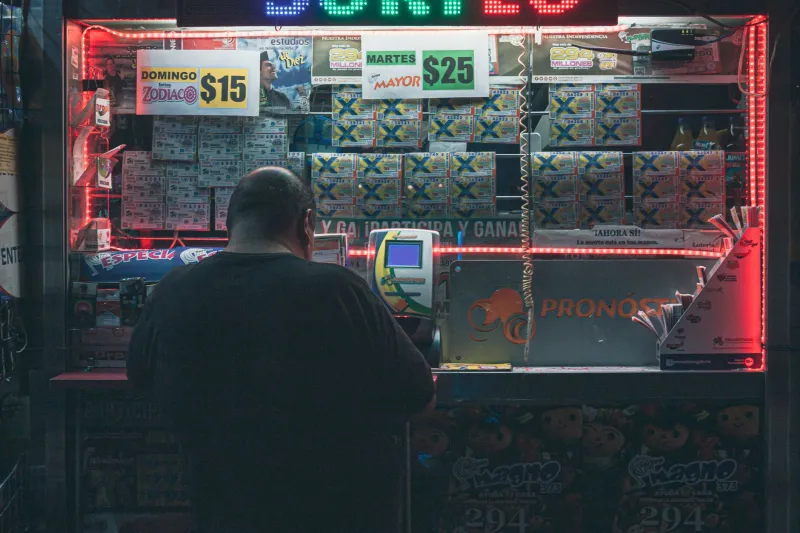
Walk into any gas station, convenience store, or lottery retailer in America and you'll notice something interesting. The $1 tickets are there, stacked up near the register like an afterthought. The $20 and $30 premium games sit behind the counter, commanding attention with their bold graphics. But right in the middle? That's where the real action is. The $5 scratch game has quietly become the Goldilocks zone of instant-win entertainment — and players across the country seem to know it instinctively, even if they can't always explain why.
So what's actually going on with that five-dollar price point? Is it just a gut feeling, or is there something more deliberate at play?
Not Too Cheap, Not Too Steep
Let's start with the basics. The $1 scratch ticket is a classic entry point — low commitment, low expectations, and honestly, pretty low excitement. When you're only spending a dollar, the potential prizes cap out pretty quickly. Most $1 games top out at a few hundred dollars on the high end, and the odds of hitting even that feel like a long shot on a Monday morning.
On the other end of the spectrum, the $20 and $30 tickets are a different animal entirely. Sure, the jackpots are eye-watering — we're talking six and seven figures in some cases — but dropping that kind of cash on a single ticket introduces a level of financial weight that can actually undercut the fun. For a lot of casual players, spending $20 on a scratch game feels like a decision that requires justification. That mental friction? It chips away at the spontaneous joy that makes scratch games so appealing in the first place.
The $5 game sidesteps both of those problems. It's affordable enough to feel impulsive and carefree, but substantial enough that the prizes — often ranging from $50 to $50,000 or more — feel genuinely meaningful. You're not just playing for a free ticket. You're playing for something that could actually matter.
What the Payout Structures Actually Look Like
Here's where it gets interesting from a mechanics standpoint. Scratch game designers — yes, this is a real job that involves a surprising amount of math — don't just randomly assign prize amounts. Every ticket in a game is part of a carefully calibrated pool, and the overall odds of winning something are baked into the design from the start.
At the $1 tier, overall odds of winning any prize tend to hover around 1 in 4 or 1 in 5. That sounds decent until you realize that a significant chunk of those wins are just another $1 ticket. You're essentially breaking even a lot of the time, which doesn't exactly send your pulse racing.
Premium games at $20 and above push the jackpot ceiling sky-high, but the frequency of smaller wins often tightens up. You might go several tickets without catching anything, which can feel brutal when each ticket represents a meaningful chunk of change.
The $5 game tends to thread that needle well. Players typically see a solid mix of small wins — think $10, $15, $25 — layered beneath a mid-tier prize structure that keeps things interesting. The chance to win $500, $1,000, or even $5,000 feels realistic rather than fantasy. That layered prize architecture is a key part of why these games feel so satisfying to play, even when the session doesn't end in a big score.
The Psychology Behind the Price
Talk to regular scratch players and you'll hear a version of the same story over and over. Jessica, a 34-year-old teacher from Ohio, puts it plainly: "I used to buy a bunch of $1 tickets and feel kind of disappointed every time. Then I started just getting one $5 game instead, and it felt totally different. Like I was actually playing, you know?"
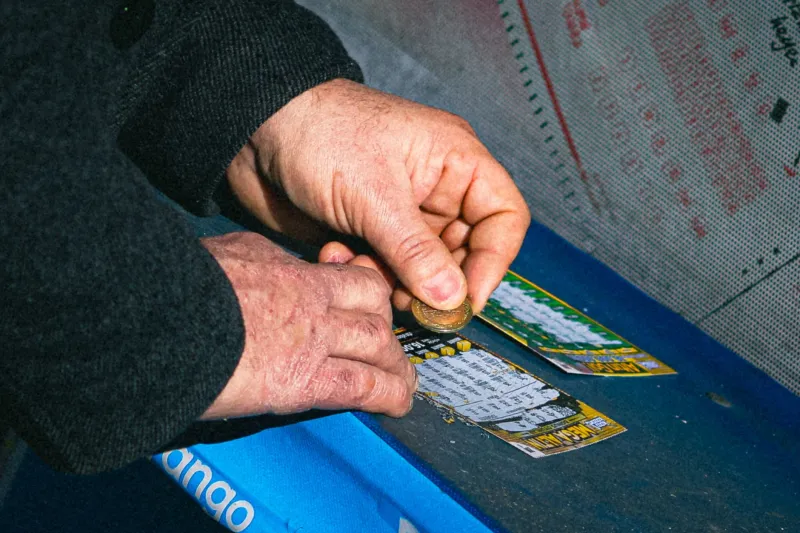
That feeling she's describing has a real psychological basis. When we spend more on something — even a modest amount more — we tend to invest more attention and emotional energy in the experience. A $5 ticket commands a different kind of focus than a dollar scratch. You take your time. You notice the graphics. You feel the anticipation build as each panel reveals itself.
There's also something to be said about perceived value. Five dollars is the cost of a fancy coffee drink, a fast food combo, or a couple of songs on a digital music platform. In the context of everyday American spending, it's a completely normalized amount — but it's just enough to feel like a real treat rather than a throwaway purchase. That psychological framing matters more than most people realize.
The Entertainment Value Equation
One way to think about scratch games — especially for players who approach them with a healthy, recreational mindset — is as a form of entertainment with a cost per experience. By that logic, a $5 game that takes a few minutes to play and delivers genuine suspense, a few near-misses, and maybe a small win is delivering solid entertainment value.
Compare that to other ways Americans spend five bucks for a few minutes of fun. A single song download, a short mobile game purchase, a vending machine snack — none of those deliver the same combination of tactile engagement, anticipation, and potential upside that a scratch game does. That's not a trivial thing. Scratch games, especially at the $5 level, have carved out a unique space in the casual entertainment landscape precisely because they offer something genuinely hard to replicate.
For online platforms like ScratchGames, the digital equivalent of the $5 experience carries the same logic into the mobile and web space. The sweet spot isn't just about price — it's about calibrating risk, reward, and engagement in a way that feels right. Games that hit that balance tend to be the ones players return to, not just occasionally, but week after week.
Why Players Keep Coming Back
Repeat play is the real measure of a great scratch game, and the $5 tier consistently delivers. Players who buy a single $20 ticket and lose often need a beat before they're ready to try again. Players who run through a stack of $1 tickets can end up feeling a little hollow, like they ate a bag of chips and still feel hungry.
But the $5 player? They tend to leave the experience feeling like they got something — even when they didn't win big. The gameplay felt substantial. The possibility felt real. And next week, when they've got a few bucks to spare and they're looking for a little midday excitement, they remember that feeling.
That's the real secret of the $5 scratch game sweet spot. It's not just about the math, though the math helps. It's about finding the intersection of accessibility, excitement, and genuine entertainment — and then delivering it consistently enough that players start to trust the experience.
In a world full of ways to spend your free time and your fun money, that kind of trust is worth a lot more than five dollars.