Three Generations, One Coin: Inside America's Family Scratch Rituals
Every Thanksgiving, after the pie plates are cleared and before the football game gets loud, something interesting happens at Diane Kowalski's house outside Cleveland. Her mother, Ruth (78), pulls a small zippered pouch from her purse. Her daughter pulls out her phone. And the grandkids — ages 9, 12, and 14 — immediately abandon their devices and gather around the kitchen table.
The pouch contains scratch cards. The phone contains the digital versions. And for the next hour, three generations of Kowalskis are fully present, together, over a handful of two-dollar instant-win games.
"It's the only thing we all do," Diane told us. "We don't play video games together. We don't watch the same shows. But scratch cards? Everybody's in."
The Coin, Passed Down
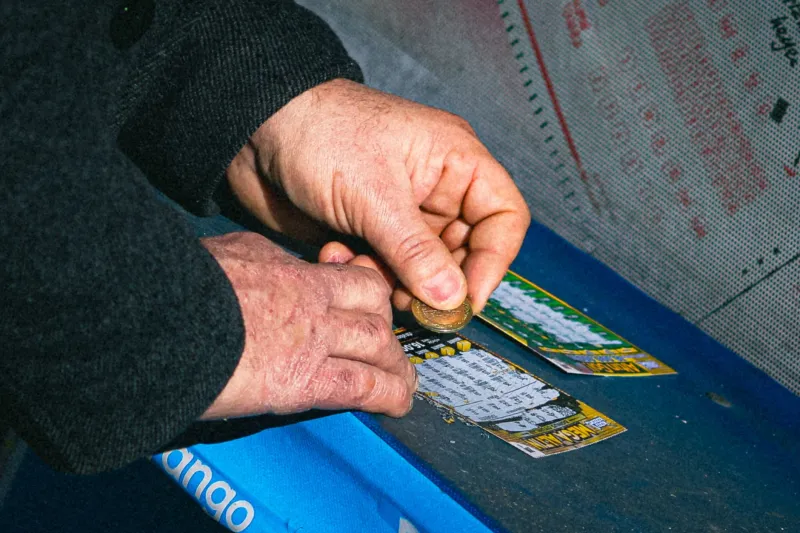
Ruth learned to scratch from her own mother back in the 1980s, back when a lucky penny was the tool of choice and the scratch-off itself was a novelty at the corner gas station. She's carried the habit — and the technique — ever since.
"You don't gouge it," she instructed her granddaughter, demonstrating a slow, deliberate pass with a coin edge. "You work it. Let the anticipation build. That's the whole point."
It sounds silly until you watch it happen. There's a genuine skill-flavored pride in a clean scratch, a satisfying full reveal, and kids absorb it like any other family craft — the same way they learn to shuffle cards or make great-grandma's pierogi. The scratch card becomes a medium for something bigger: attention, patience, and a little playful competition.
Gifting Season Is Scratch Season
If your holiday haul has ever included a lottery ticket tucked into a greeting card, you're far from alone. Surveys of American players consistently show that gifting instant-win tickets spikes around Christmas, birthdays, and graduations. It's a low-cost, high-fun gift with a built-in activity: you open it, you scratch it, you find out together.
Adult children told us they now buy tickets for parents who "have everything." Parents buy them for teens as a first taste of luck-based fun. And grandparents — the demographic most associated with scratch cards for decades — report that tickets have become their go-to stocking stuffer precisely because they create a shared moment instead of another toy that ends up in a bin.
One caveat worth repeating: instant-win games are for adults, and gifting should always follow local rules and family judgment. The healthiest family traditions we heard about kept the stakes tiny, the tone light, and the focus on the ritual rather than the winnings.
When Grandma Goes Digital
Here's the twist nobody saw coming a decade ago: the fastest-growing bridge between generations might be the digital scratch game itself.
Ruth, who once needed a magnifying glass to read the fine print on a paper ticket, now plays instant-win games on a tablet with a stylus. No coins required. No foil under the fingernails. The interface is simpler than her email app, and she can play alongside her granddaughter even when they're states apart.
"We'll text each other our wins," Diane said. "Mom got a $25 hit on a Tuesday and sent a screenshot with nine exclamation points. My daughter immediately went to try to beat it."
Digital versions also flatten some of the physical barriers that kept older players from teaching younger ones. Auto-reveal features mean no coin technique needed. Volume controls and larger text help players with different needs. And because everything happens on a screen, the grandkids aren't teaching Grandma technology — they're playing the same game, on the same footing, at the same table.
The Real Jackpot Is the Ritual
Talk to enough of these families and a pattern emerges: nobody remembers the amounts they won. They remember the table, the teasing, the coin being ceremonially handed to the youngest player, the collective groan and laugh at a losing ticket.
There's something quietly healthy about a tradition that's cheap, short, social, and fully contained. One game session runs fifteen minutes, not four hours. The buy-in is a couple of bucks, not a monthly subscription. And unlike most things competing for family attention, it doesn't split the group into separate screens — it pulls them toward the same one.
Ruth put it best as she packed her zippered pouch back into her purse after last Thanksgiving: "The tickets are a dollar or two. The sitting together, that's the part I'm buying."
Scratch. Win or lose. Repeat — together. Some traditions don't need reinventing. They just need a coin and a table.