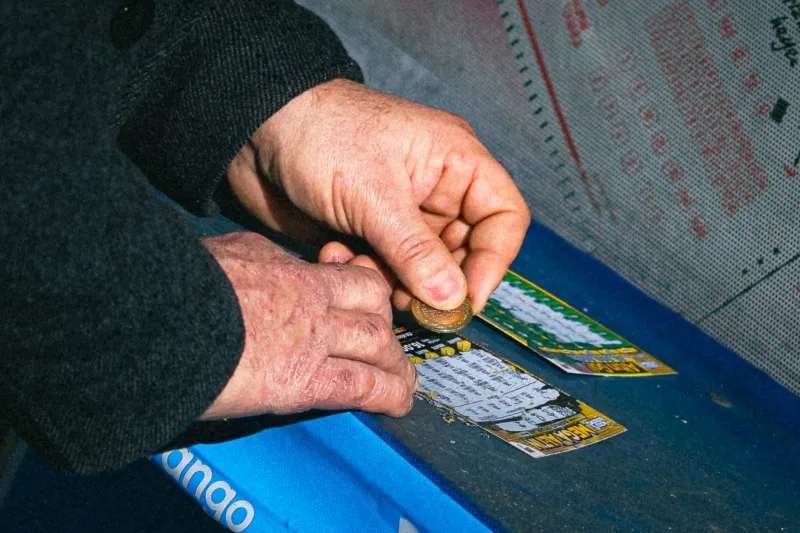
Luck vs. Logic: What Smart Scratch Players Actually Know That Casual Ones Don't
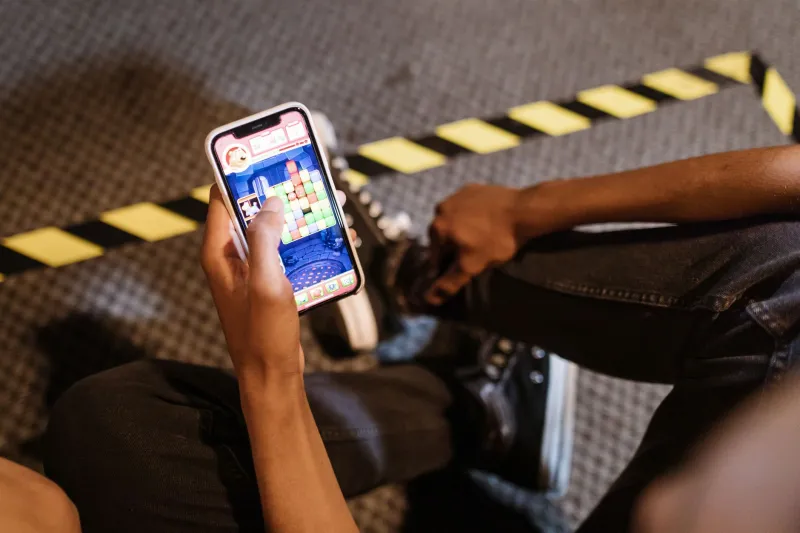
Let's be honest for a second. At some point, every scratch game player has had a thought that goes something like: Am I doing this right? Maybe it happens after a near-miss. Maybe it's when you're choosing between two digital tickets and you pause just a little too long, hovering your finger over the screen like your gut is trying to tell you something.
Here's the thing — that instinct to find a system, a pattern, or a smarter approach isn't irrational. It's actually deeply human. But does it hold up when you look at how scratch games actually work? And more importantly, can understanding the mechanics change the way you play — even if it can't change the outcome?
Spoiler: yes, kind of. Just not in the way most people expect.
The Honest Truth About Odds (And Why Most Players Ignore Them)
Every legitimate scratch game comes with a published return-to-player (RTP) percentage and, if you dig into the fine print, a prize structure that shows you exactly how many winning tickets exist at each level. This isn't hidden information — it's right there, usually in the game's info tab or help section.
But most players never look at it. Why? Partly because it feels like it would take the magic out of the experience. Partly because probability is just... kind of boring to read about. And partly because our brains aren't naturally wired to process percentages in a way that feels emotionally real.
Here's a practical example: if a scratch game has an RTP of 85%, that means for every dollar played over a large enough sample, 85 cents comes back to players in prizes. That doesn't mean you personally get 85 cents back every time — variance is wild, and short sessions can swing dramatically in either direction. What it does mean is that the house edge is built in, consistent, and not something any strategy can fully overcome.
Knowing this doesn't make the game less fun. It just makes you a more grounded player.
Decision-Making in Instant-Win Games: The Illusion of Control
Psychologists have a name for what happens when we believe our choices influence a random outcome: the illusion of control. It's why people blow on dice before rolling them. It's why a certain scratch player might always start revealing tiles from the top-left corner, convinced that particular sequence brings better results.
In scratch games, this shows up in interesting ways. Players develop rituals — scratching slowly versus fast, choosing tickets with certain visual themes, playing at specific times of day. None of these behaviors affect the outcome. The result is determined the moment the game loads. But the feeling of agency? That's real, and it actually contributes to how enjoyable the experience is.
Researchers call this "perceived skill," and in the context of casual gaming, a little of it goes a long way. It makes the session feel active rather than passive. It turns a purely random event into something that feels participatory. As long as you understand the line between perception and reality, there's nothing wrong with having your own little rituals.
The problem only creeps in when the illusion tips into genuine belief — when a player starts thinking their system is actually working and begins chasing wins to prove it.
So What Does "Playing Smart" Actually Look Like?
If pure strategy can't change your odds, what separates a thoughtful player from someone just mashing buttons and hoping? Quite a bit, actually — it's just less about the game mechanics and more about how you manage yourself.
Set a session budget before you start. This sounds simple, but it's the single most effective habit an informed player can build. Decide what you're comfortable spending for entertainment before the excitement kicks in, and treat it like the price of a movie ticket — money spent on an experience, not an investment.
Understand variance, not just averages. A game with a high RTP can still eat through your budget quickly during a cold streak. Conversely, a game with lower average returns might hit a big win early. Short-session variance is unpredictable, and recognizing that keeps you from drawing false conclusions about a game's "behavior."
Choose games that match your play style. Some scratch games are built for quick, high-frequency micro-wins that keep the dopamine ticking along steadily. Others are structured around rarer but larger prizes. Neither is objectively better — but one might suit your personality and entertainment goals more than the other. Knowing which type you enjoy is genuine self-awareness.
Read the prize structure. Seriously, just glance at it once. Knowing that a game has 10,000 top-prize tickets still in circulation versus 2 changes the energy of the experience. It won't make you win, but it gives you context.
The Psychology of the Near-Miss (And Why It's Not a Sign)
We've touched on this in other pieces here at ScratchGames, but it bears repeating in this context: a near-miss is not a signal that a win is coming. It's not a sign that the game is "warming up." It's a random outcome that your brain is pattern-matching because that's what human brains do — they hunt for meaning in noise.
The near-miss is, in many ways, the biggest test of whether you're playing with your head or just your hope. A smart player acknowledges the frustration, maybe even laughs at it, and moves on with the same expectations they started with. A reactive player sees it as motivation to keep going until the universe "corrects" itself.
The universe is not keeping score. The game doesn't owe you a win.
Maximizing Entertainment Value: The Real Goal
Here's a reframe that might change how you think about scratch games entirely: the win isn't the only product you're buying. The experience — the suspense, the reveal, the brief escape from whatever was on your mind two minutes ago — that's part of what you're paying for.
When you approach a scratch session with that mindset, the metrics shift. Success isn't just "did I win money." It's also "did I enjoy myself, did I stay within my limits, and do I feel good about how I spent that time?" Those are outcomes you actually have control over.
And ironically, players who adopt this framing tend to enjoy scratch games more, not less. The pressure drops. The fun goes up. And the wins, when they come, feel like a genuine bonus rather than a debt the game owed you.
The Bottom Line
Scratch games are games of chance. Full stop. No strategy changes the odds, no ritual shifts the probability, and no system beats the house edge over time. That's not a cynical take — it's just math.
But playing smart? That's entirely within your reach. It means understanding what you're playing, setting honest expectations, managing your session with intention, and letting the actual fun of the game be the point. That's the difference between a player who feels vaguely frustrated after most sessions and one who logs off feeling like they got exactly what they came for.
Luck handles the outcome. You handle everything else.