Break Room Buzz: How Scratch Games Quietly Took Over the American Workplace

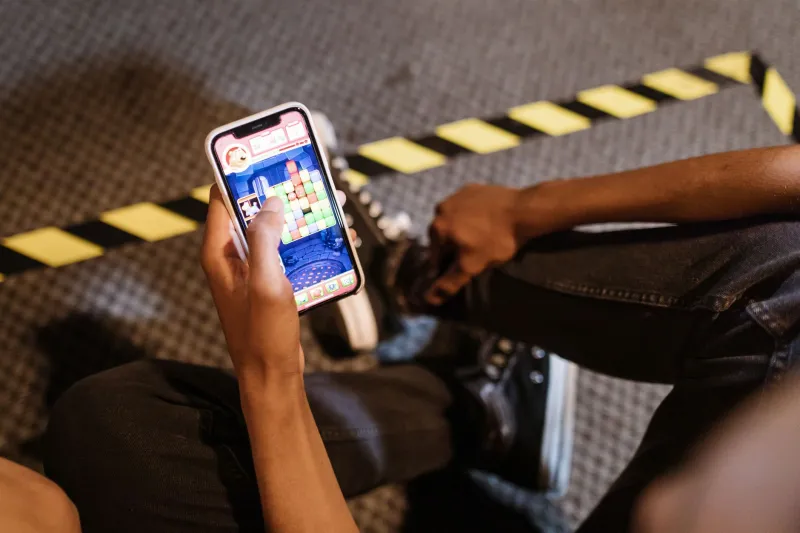
Walk into any mid-sized office in America right now and there's a decent chance you'll overhear it — someone excitedly narrating a scratch game on their phone while a small crowd gathers around the break room table. It's not a team-building exercise anyone planned. Nobody put it on the calendar. It just... happened.
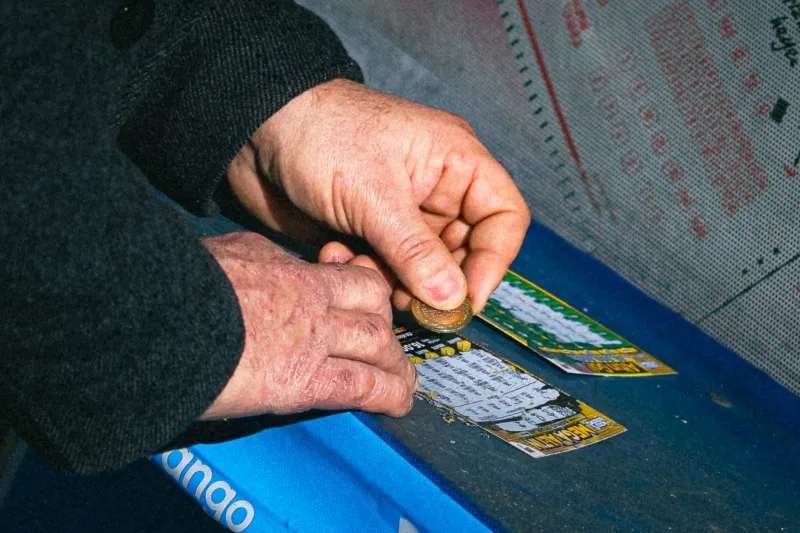
Scratch games — quick, casual, instant-win experiences you can play from your phone in under two minutes — have found an unlikely home in the modern workplace. And the more you dig into why, the more it makes total sense.
The New Water Cooler Moment
For decades, the water cooler was a metaphor for spontaneous workplace connection. You'd bump into a colleague, trade small talk about last night's game or a viral news story, and head back to your desk feeling slightly more human. That ritual never really died — it just migrated.
Today's version might look like two coworkers huddled over a phone during a ten-minute break, watching a scratch card animation play out with genuine suspense. It's low-stakes, it's fast, and it creates a shared emotional moment — the collective groan of a near-miss or the burst of laughter when someone pulls off an unexpected win.
"It started with one person on our team showing the rest of us a game they'd been playing," says Marcus T., a project coordinator at a marketing agency in Austin. "Within a week, half the floor had it on their phones. Now it's basically our thing. Someone wins something and the whole Slack channel loses it."
That social ripple effect is exactly what makes casual gaming so sticky in group environments. Unlike solo entertainment — scrolling social media, listening to a podcast — scratch games produce shareable outcomes. You either won or you didn't, and either way, there's something to talk about.
Why HR Is Actually Paying Attention
Here's where it gets interesting. Human resources professionals, who have spent years trying to crack the code on employee engagement and mental wellness, are starting to look at casual gaming through a more nuanced lens.
"We talk a lot about psychological safety and micro-recovery moments," explains Dana Reyes, an HR consultant who works with tech companies in the Pacific Northwest. "What that really means in practice is giving employees brief windows to mentally step away from work-mode without fully disconnecting. A two-minute scratch game actually fits that profile pretty well."
The concept of micro-recovery — short mental breaks that restore focus rather than deplete it — has gained serious traction in workplace wellness research over the past several years. The idea is that your brain isn't designed to sustain deep focus for hours without interruption. Brief, low-effort diversions can actually improve sustained performance over the course of a workday.
Scratch games, with their quick resolution and low cognitive demand, slot neatly into that framework. You're not starting a 45-minute YouTube spiral. You're scratching a card, seeing the result, and moving on. The whole thing is designed to be contained.
The Guilt-Free Factor
One theme that comes up repeatedly when you talk to people about their break-time gaming habits is the absence of guilt. That might sound like a small thing, but in a productivity-obsessed work culture, it isn't.
"I used to feel bad about taking a real break," admits Priya S., a data analyst at a healthcare company in Chicago. "Like, if I wasn't eating lunch at my desk or doing something 'useful,' I was falling behind. But playing a scratch game for five minutes feels different. It's fun, it's over fast, and I come back to my desk actually refreshed instead of just pretending I was."
There's something psychologically distinct about a game that has a clear endpoint. When the scratch card is revealed, the experience is complete. You're not pulled into a next episode, a next level, or an endless feed. That built-in closure makes it easier to return to work without the lingering pull that other digital entertainment can create.
When It Works — And When to Check In With Yourself
Of course, no conversation about gaming in the workplace is complete without a honest look at balance. The same features that make scratch games a great break tool — their accessibility, their quick dopamine hit, their easy repeatability — also mean it's worth being thoughtful about how you're using them.
The sweet spot is pretty clear for most people: a few rounds during a designated break, shared with coworkers as a social moment, and then back to work. That's the version that fits naturally into a healthy workday rhythm.
Where it gets worth paying attention to is if you notice the habit creeping into focused work time, or if a losing streak starts affecting your mood in a way that lingers past the break. That's less about scratch games specifically and more about checking in with yourself the same way you would with any habit — is this serving me, or am I just going through the motions?
Dana Reyes puts it simply: "Any wellness behavior, even a positive one, can tip into something less healthy if it becomes avoidance rather than recovery. The goal is always to come back to work feeling better, not to use the break to escape something you're dreading."
So Should You Join In?
If your office has developed its own scratch game culture and you've been watching from the sidelines, the honest answer is: probably yes, if you want to. The social dimension alone — the shared laughs, the communal suspense, the easy conversation starter — is genuinely valuable in workplaces that can feel increasingly isolated despite being full of people.
And if you're the one who hasn't introduced it to your team yet? You might be sitting on the easiest team bonding moment of the quarter. No budget required. No planning committee needed. Just a phone, a quick game, and the universal human experience of hoping things go your way.
Scratch. Win. Repeat — and maybe bring a coworker along for the ride.